
Whole Food Program
Week Three
One week down, one to go. At this point you are likely through the most challenging symptoms. You have probably found a rhythm, are recognizing how good you feel, how well you are sleeping and you are motivated to finish this out. For most people, any cravings have subsided and at this point, many people start asking, can I just keep going?!
Stay present this week, really observe and reflect in your journal what has changed for you. Write about the things you are currently doing when you feel your best. That way, when you lose this feeling, you can look back and remind yourself of those exact habits…eating less inflammatory foods, not drinking alcohol, prioritizing sleep, journaling, staying more present…whatever it is, WRITE IT DOWN. While you feel you may never forget it, you will.
You might have noticed that weekends are the most challenging. Going out to dinner, meeting for cocktails and sipping more coffee are ingrained in our society. How did you keep yourself busy? Were you able to engage in social activities and just abstain from the alcohol, caffeine and desserts or did you decide to stay in and avoid social situations altogether? Navigating social events is a huge challenge for many of my clients. The cleanse highlights this even more. I encourage you to consider how you can set better boundaries for yourself, so you can indulge at times, but more often than not, feel your best.
In addition to meals and drinks, there are self care practices that can enhance our detoxification pathways naturally. Please see the handout below to learn some practices you can integrate into your weekly/monthly routine to optimize your day to day detoxification.
As you near the end, many people are ready to give up the shakes, but not how they feel. Explore this about yourself in your journal. Start thinking about and write down WHAT will change going forward. 1-3 things, nothing more. Make it realistic and achievable.
Recipes
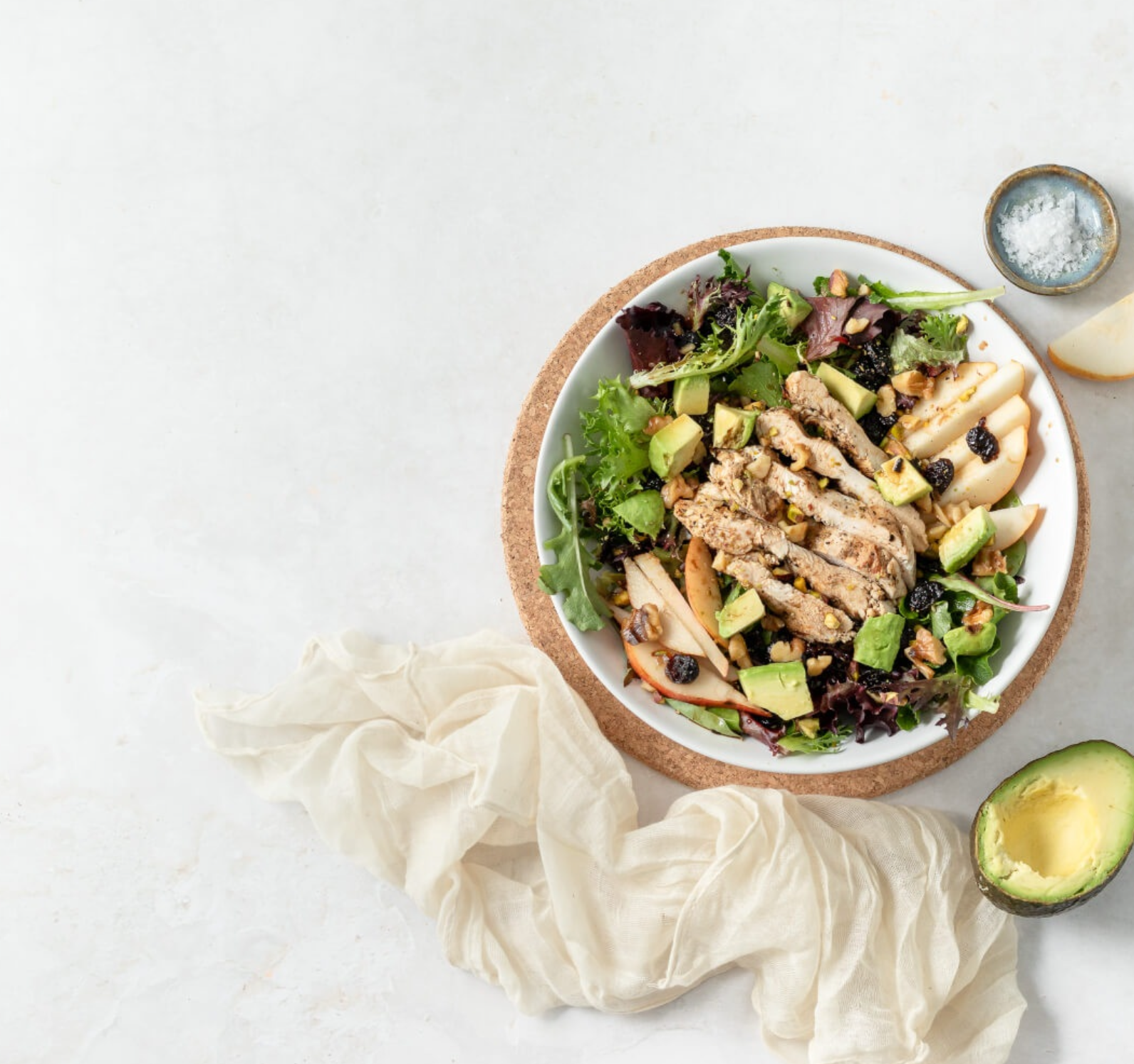
Week Three Recipe Pack
I prepared a sample of what your week could look like. Remember you will put the packets in the kit into the smoothies of your choice! This is just an example for you.
Natural Detoxification Strategies
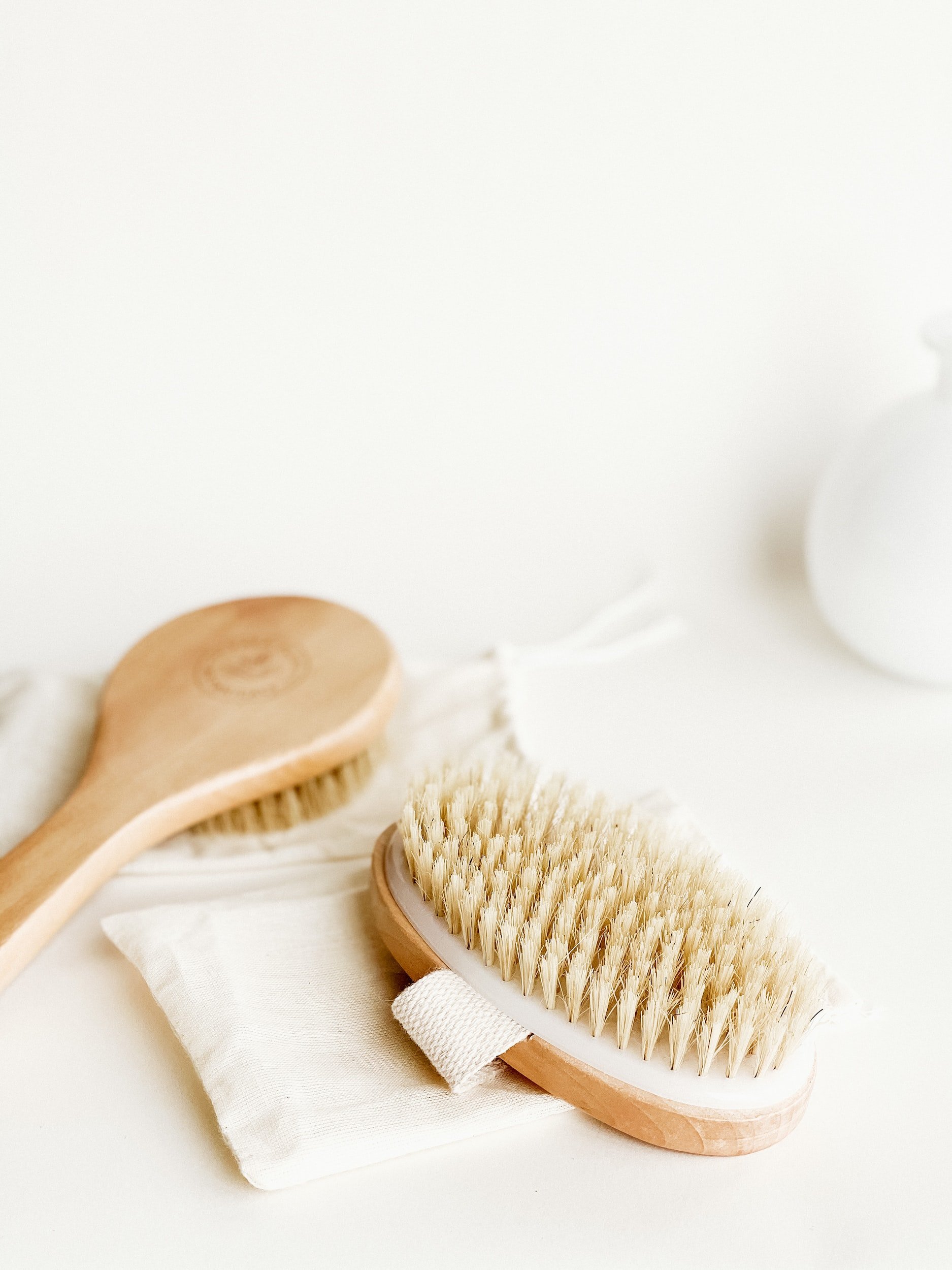
Dry Brushing
Dry brushing is a type of Ayurvedic medicine and is believed to have many health benefits. Some of the benefits may include:
• stimulating the lymphatic system
• exfoliating the skin
• helping the body rid itself of toxins
• increasing circulation and energy
• exfoliation
• helping to break down cellulite
How to practice dry brushing
To dry brush, use a natural fiber brush with a long handle. The long handle will help you reach all areas of your body.
Follow these steps:
Start at your feet and move up your body.
Brush your skin using wide, circular, clockwise motions. Use light pressure in areas where your skin is thin and harder pressure on thicker skin, like the soles of your feet.
Brush your arms after you have brushed your feet, legs, and mid-section. You should brush upward towards your armpits.
After dry brushing, take a cool shower to help remove the dry skin.
After your shower, dry off and then consider adding natural plant oil, such as olive or coconut oil, to moisturize your skin.
When you first start dry brushing, it’s best to begin with light brushing. As you get used to it, you can increase the pressure.
Tongue Scraping
Our bodies are constantly exposed to toxins from our food, beverages, and the environment; even our own metabolic wastes and unresolved emotions can lead to toxicity. When toxins are not properly digested and eliminated, they accumulate in the body and begin to compromise our well-being and immunity. Tongue scraping is one preliminary measure to take in clearing your body from the unwanted buildup of toxins.
Other benefits of scraping your tongue include:
• Clearing toxins, bacteria, and dead cells from the tongue to prevent bad breath
• Enhancing the sense of taste
• Promoting overall oral and digestive health
• Gently stimulating the internal organs
• Increasing your awareness of your state of health
How to Scrape Your Tongue
A tongue scraper is a fabulous way to start and it’s super easy!
• Ideally, a tongue cleaner is used every day, upon rising, and on an empty stomach.
• Hold the two ends of the tongue cleaner in both hands.
• Extend the tongue and place the tongue cleaner on the surface of the tongue, as far back as is comfortable.
• Gently pull the tongue cleaner forward so that it removes the unwanted coating.
• Rinse the tongue cleaner and repeat as necessary, usually 3–5 times.
Additional Detoxification Strategies
Espom Salt Baths – 20 min
Drink lots of filtered water/herbal teas and broth
Have regular bowel movements (1-3 daily)
Sauna or sauna blanket
Exercise
Eat mostly organic food – See Clean 15 and Dirty Dozen lists to prioritize your purchases
Use personal care products without harmful chemicals such as Beautycounter. Our skin is our biggest organ and whatever we put on it, gets absorbed into our bodies/bloodstream. Many of the chemicals used in the personal care products on the shelfs today contain known carcinogens, cancer causing chemicals. See additional handout for a list of chemicals you never want to put on your skin. The NEVER LIST. You can shop The Counter for the best in natural beauty and skin care.
Here are the 2025 Dirty Dozen:
ALWAYS buy organic if possible
Spinach
Strawberries
Kale, Collard and Mustard Greens
Grapes
Peaches
Cheeries
Nectarines
Pears
Apples
Blackberries
Blueberries
Potatoes
Here are the items on the Clean 15:
Pineapple
Papaya
Asparagus
Cauliflower
Carrots
Sweet Corn
Onions
Cabbage
Bananas
Mushrooms
Avocado
Sweet Pea
Watermelon
Mangoes
Kiwi
THE NEVER LIST ™
A long list of harmful or questionable ingredients we’ve chosen to leave out of all our products. From parabens to talc, we’re redefining what clean beauty means—one safer ingredient at a time.
BENZALKONIUM CHLORIDES
BUTYLATED HYDROXYANISOLE (BHA) AND BUTYLATED HYDROXYTOLUENE (BHT)
COAL TAR AND COAL TAR HAIR DYES
ETHYLENEDIAMINETETRAACETIC ACID (EDTA)
ETHANOLAMINES
FORMALDEHYDE AND FORMALDEHYDE-RELEASERS
HYDROQUINONE
METHYLISOTHIAZOLINONE (MIT) AND METHYLCHLOROISOTHIAZOLINONE (CMIT)
OXYBENZONE, OCTINOXATE, AND AVOBENZONE
PARABENS
PHTHALATES
PER- AND POLYFLUOROALKYL SUBSTANCES (PFAS)
POLYETHYLENE GLYCOL COMPOUNDS (PEGS)
RETINOIC ACID AND RETINYL PALMITATE
SODIUM LAURYL SULFATE (SLS) AND SODIUM LAURETH SULFATE (SLES)
UNSAFE FLAVORS AND FRAGRANCES
TALC
TOLUENE
TRICLOSAN AND TRICLOCARBAN