Why Money and Food Patterns Mirror Each Other
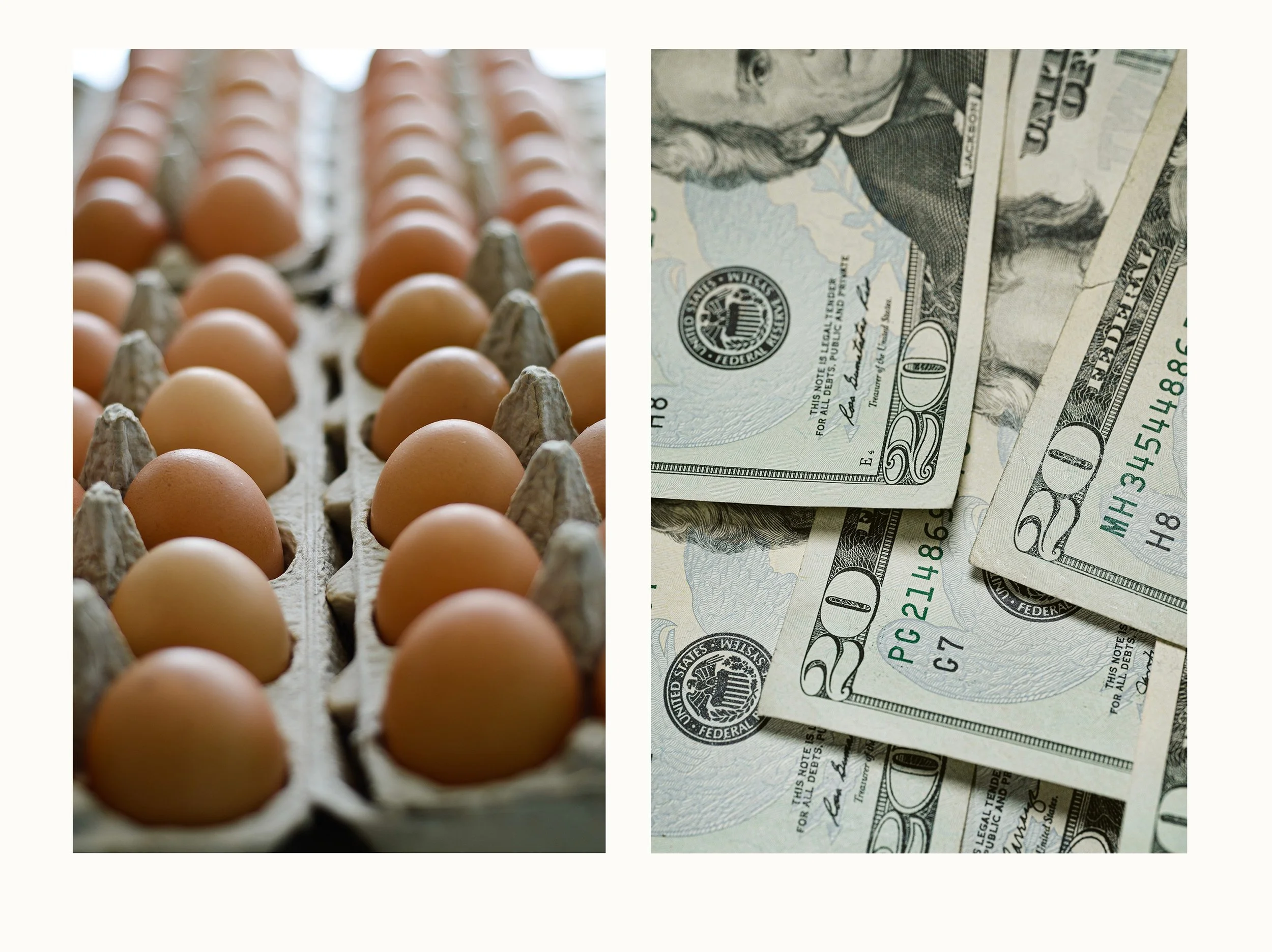
Over the years of working with clients, I’ve noticed a pattern. When someone struggles with food, there is often a parallel story with money.
The beliefs can sound different at first, but underneath they tend to share the same threads: scarcity, control, worthiness, and safety.
Food and money are two of the most basic resources we have. Both connect to survival, security, and the nervous system’s sense of enough. The patterns around them often mirror each other in subtle ways.
Scarcity
Many people carry a quiet belief that there isn’t enough.
Enough food
Enough money
Enough time
Enough energy
Scarcity shows up in food as restriction, anxiety around eating, or feeling certain foods must be tightly controlled. With money, it can appear as fear of spending, difficulty investing in yourself, or constant worry about the future. The nervous system tightens around both, creating tension and repeated behaviors that don’t always feel helpful.
Worthiness
Food and money are tied to deserving. I hear clients say things like:
“I need to earn this meal”
“I shouldn’t spend money on that”
“I should be more disciplined”
“I should save instead”
Both can feel moralized, as if enjoying them requires permission. Nourishment and support are basic human needs. The sense of safety that comes from honoring those needs often shifts how people respond to scarcity and control.
Control
When life feels uncertain, food and money can become areas to create stability. Some people restrict food or spending to feel safer. Others swing in the opposite direction, eating or spending impulsively for a brief sense of relief. Both patterns attempt to regulate stress and create a temporary feeling of comfort. When the nervous system feels safer, these behaviors often ease naturally.
Safety
Safety weaves through scarcity, worthiness, and control.
Food and money can feel protective when life feels unpredictable
Restricting, hoarding, or micromanaging either gives a false sense of security
The nervous system interprets “enough” as survival, not just quantity
When safety is present, nervous systems relax, choices shift, and habitual behaviors often change without force or discipline.
A Client Story
I worked with a client who noticed that when money felt tight, she restricted food. She only allowed herself to eat fully when training for an event, and a stocked fridge felt excessive. Together we explored her beliefs about money and nourishment, imagined the person she could be without them, created rituals like serving dinner on a placemat, and filled her fridge with colorful, nourishing foods. The nervous system felt safer, and she began responding to needs rather than reacting to fear.
Where These Beliefs Begin
Many patterns start early. Messages from childhood shape the way we relate to food and money:
“Clean your plate”
“Don’t waste food”
“We can’t afford that”
“Money doesn’t grow on trees”
“Dessert is a reward”
These messages often create unconscious habits that last into adulthood.
The Deprivation Cycle
Restriction in either area often leads to the same cycle: Food: restriction → cravings → overeating → guilt Money: extreme saving → deprivation → impulsive spending → regret
Tighten, rebound, repeat. The nervous system rarely settles when these cycles dominate.
A Different Approach
Instead of focusing on control, it helps to ask: what would enough feel like here?
Enough nourishment
Enough support
Enough permission to care for yourself
When safety is present, behaviors around food and money shift naturally.
If This Resonates
Sometimes these patterns are subtle and hard to see alone. My client work explores nutrition, habits, and the beliefs that shape them. Food is rarely just about food.
I created a self-assessment quiz to help you notice your relationship patterns with money and food. If it sounds interesting, sign up to access it.
For a deeper exploration of your patterns, reply to this email and we can schedule a personalized session. Your relationship with your body and your resources deserves clarity, not fear.
With care,